
Pool Safety Certificates in Queensland: What Buyers and Sellers Need to Know
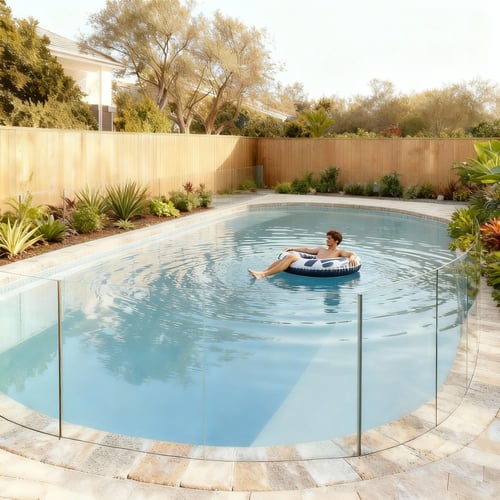
For many Queenslanders, owning a home with a sparkling pool is the dream—a private oasis to escape the tropical heat. But with this dream comes an important responsibility: ensuring your pool is safe and compliant with Queensland's pool safety laws.
With the introduction of new Seller Disclosure laws that came into effect on 1 August 2025, understanding pool safety certificate requirements is more important than ever for both buyers and sellers. These regulations exist to keep our community safe and prevent tragic accidents. For sellers, having proper documentation in place demonstrates responsible ownership and prevents settlement delays. For buyers, it provides peace of mind that the pool you're inheriting meets rigorous safety standards and won't become a costly or dangerous liability.
At Cozee, we understand that pool safety compliance is just one of many considerations during a property transaction. Our conveyancing team ensures all required pool safety documentation is properly completed and submitted, advises on the implications of Form 36 notices, helps negotiate special conditions regarding pool certification, and keeps your settlement on track by managing compliance deadlines.
What is a Pool Safety Certificate?
A pool safety certificate (Form 23) is an official document issued by a licensed pool safety inspector confirming that a swimming pool's barrier complies with the Queensland pool safety standard (QDC MP 3.4). The certificate verifies that fencing, gates, latching mechanisms, and other safety features meet the required specifications.
When Do You Need a Pool Safety Certificate?
Pool safety certificates are mandatory in specific situations:
- When selling a property with a non-shared pool (private residential pools)
- When leasing a property with a non-shared pool
- For shared pools (such as units or townhouses), the body corporate or pool owner must obtain certificates annually
While pool owners must always ensure their pool barriers comply with safety standards, you don't need a certificate simply for owning a pool—only when transferring or leasing the property.
Certificate Validity Periods
The validity of pool safety certificates depends on the type of pool:
- Non-shared pools (private residential): Valid for 2 years
- Shared pools (body corporate properties): Valid for 1 year
- Commercial pools (gyms, hotels, resorts): Require annual certification or an approved pool safety management plan
Selling a Property with a Pool: Your Options
Important Update: New Seller Disclosure Laws (Effective 1 August 2025)
Under Queensland's new mandatory seller disclosure regime introduced by the Property Law Act 2023, the timing requirements for pool safety documentation have changed significantly. Sellers must now provide pool safety information before the buyer signs the contract, not at settlement.
As a seller, you have two pathways when selling a property with a pool:
Option 1: Provide a Current Pool Safety Certificate
If you obtain a pool safety certificate before selling, you must:
-
Include it in your Form 2 Seller Disclosure Statement and provide it to the buyer before they sign the contract
-
Ensure the certificate will still be valid on the settlement date
-
Maintain pool barrier compliance until settlement
This is the preferred option as it demonstrates compliance and can make your property more attractive to buyers.
Option 2: Provide a Form 36 Notice
If you don't have a current pool safety certificate, you must:
- Complete and include Form 36 (Notice of No Pool Safety Certificate) in your Form 2 Seller Disclosure Statement
- Provide this to the buyer before they sign the contract (not just before settlement)
- Submit a copy to the Queensland Building and Construction Commission (QBCC) before settlement
- For shared pools, also notify the pool owner (usually the body corporate)
Critical: The new disclosure laws mean you cannot wait until settlement to provide Form 36. If you fail to provide the required pool safety documentation before the buyer signs the contract, they have the right to terminate the contract at any time before settlement and receive a full refund of their deposit.
Important: Even when providing a Form 36, you must still ensure your pool barrier complies with the pool safety standard. The notice doesn't exempt you from compliance requirements, and local councils can still issue fines for non-compliant pools.
Buying a Property with a Pool: What to Expect
As a buyer, your obligations depend on what the seller provides:
If you receive a pool safety certificate: You're covered—the pool has been verified as compliant, and no further action is required.
If you receive a Form 36 notice: You have 90 days from the settlement date to obtain a pool safety certificate. You'll be responsible for any compliance costs to bring the pool up to standard.
Smart Buying Tip
Before signing a contract, consider adding a special condition requiring the seller to obtain a pool safety certificate at their cost before settlement. This protects you from unexpected expenses and compliance issues.
Checking Pool Safety Certificate Status

You can verify whether a property has a current pool safety certificate by searching the QBCC's regulated pools register at www.qbcc.qld.gov.au. Simply enter the property address, and the register will show if there's a current certificate on file.
What Pools Are Regulated?
Queensland's pool safety laws apply to most swimming pools, but not all water features. Regulated pools include standard residential and commercial swimming pools. The laws don't apply to:
- Portable pools holding less than 300mm of water depth with no filtration system
- Fish ponds and ornamental ponds
- Dams used for aquaculture or water storage
Key Pool Safety Standards
- Minimum height of 1200mm
- Non-climbable zones preventing children from climbing over
- Self-closing, self-latching gates
- Preventing direct access from buildings to pool areas
- Adequate spacing and strength specifications
Consequences of Non-Compliance
Failing to comply with pool safety regulations can result in serious consequences:
- Contract termination: If sellers don't provide required pool safety documentation (certificate or Form 36) before the buyer signs the contract, buyers can terminate the contract at any time before settlement and receive a full refund of their deposit
- Settlement delays or failure: Missing or incomplete documentation can delay or prevent settlement from proceeding
- On-the-spot fines from local councils: Pool owners can be fined for non-compliant pool barriers, even if a Form 36 has been issued
- Enforcement notices: Local councils can issue notices requiring immediate rectification of non-compliant barriers
- Legal liability: Pool owners may face legal consequences if accidents occur due to non-compliant barriers
- Difficulty selling or leasing: Properties without proper pool safety documentation are harder to sell and may deter buyers
Properties at Auction
When selling a property with a pool at auction (from 1 August 2025 onwards), all disclosure documents including the pool safety certificate or Form 36 must be made available to prospective bidders before they register to bid. For auctions conducted in person, these documents must be physically available; for electronic auctions, they must be available electronically.
How Cozee Can Help
Need assistance with a property transaction involving a pool? Contact Cozee today for expert conveyancing services that keep your settlement smooth and stress-free.
This article provides general information only and does not constitute legal advice. Pool safety requirements may be updated, so always verify current regulations with the QBCC or consult with a qualified professional.